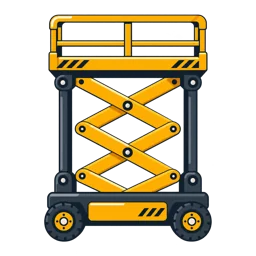
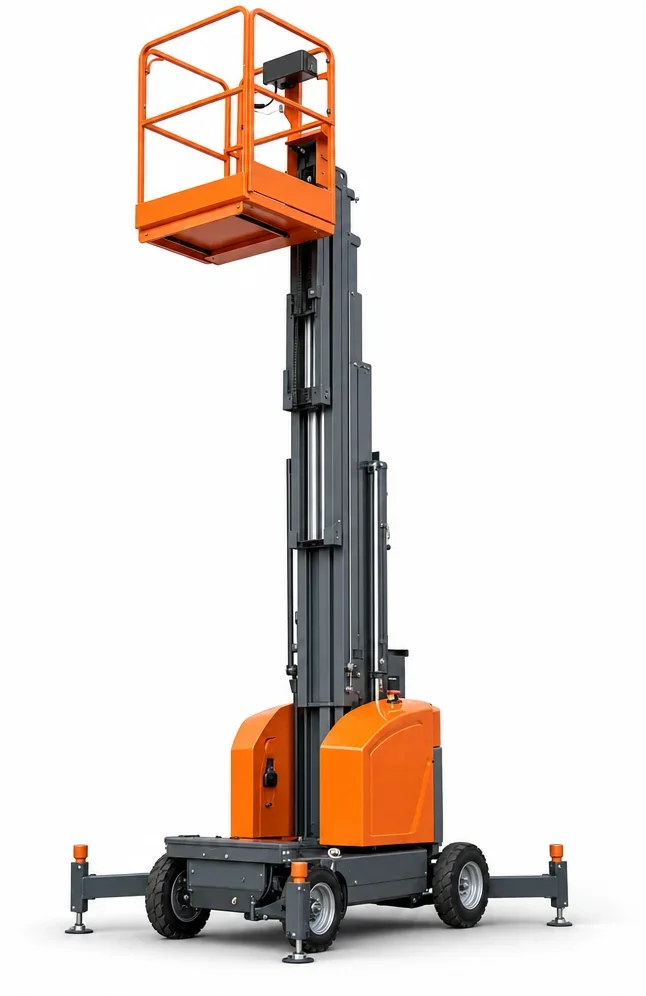
Where a mast lift outperforms a scissor
When the work is vertical and the approach is narrow—between machines, along racking ends, or through standard doors—a mast’s small footprint and tight turning save time. Platform capacities suit a person with tools or small parts. For wider work areas or two-person tasks, see /electric-scissor-lift-rental/.
Floors, thresholds, and reach limits
Mast lifts concentrate load on small wheels. Finished floors, expansion joints, and thresholds should be considered when routing from storage to the task. Measure the exact platform height needed, especially in high-bay areas, and confirm whether outreach or up-and-over is required. If the platform must reach past an obstruction, /articulating-boom-lift-rental/ is the natural comparison.
Reno-specific considerations
- Indoor preference: Electric power aligns with enclosed spaces common in local distribution and institutional buildings.
- Weather: Afternoon winds typical of the area can restrict outdoor elevation for small platforms; actual limits are set by the unit’s instructions and site procedures.
- Access paths: Dock-to-aisle routes often include tight turns, elevator doors, and sensors at entries; machine width and stowed height matter.
Related categories
- Need two-person capacity and wider deck: /electric-scissor-lift-rental/
- Need up-and-over capability: /articulating-boom-lift-rental/
- General aerial options: /aerial-lift-rental/
Keep the comparison specific
A useful equipment discussion starts with the work height, the practical machine position, the route into the area, the floor or ground along that route, and the people, tools, or material involved. Those details clarify whether vertical access, outreach, or material placement is the real constraint.