Match capacity and height to the actual pick
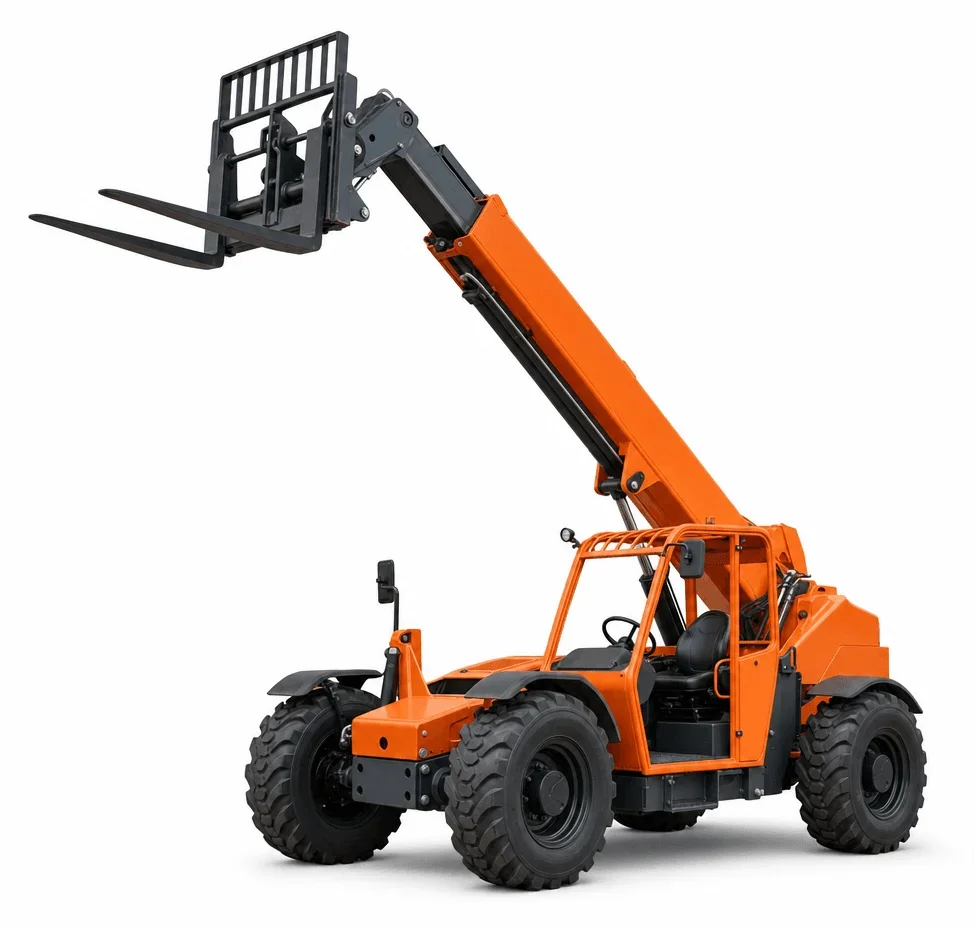
Start with the heaviest routine load and the farthest reach needed at that height. Racking installs, roof edge staging, and mezzanine feeds often require stability with the boom extended. If the site uses heavier panelized loads, step up a class to preserve margin at reach.
Ground and approach paths in local conditions
Reno’s valley soils can soften after moisture, while hillside lots bring embedded rock and drainage swales. Tire selection and axle configuration influence traction and bearing pressure. Turning radii and fork height at curbs or dock transitions matter when navigating busy logistics yards.
Attachment planning without operating detail
While on-site procedures control use, the comparison changes if the job calls for suspended loads or buckets versus standard forks. Clearance under overhangs, load width in doorways, and visibility to the set point all affect which model family is practical.
Boom control and visibility
Fine placement near façade edges or inside structural bays benefits from machines with good sightlines and smooth metering. For tall placements, auxiliary cameras or spotter positions defined by site procedures may be relevant; verify that the machine’s controls support precise inching at height.
Related categories for access and staging
- For elevated work platforms rather than load placement: /telescopic-boom-lift-rental/ and /articulating-boom-lift-rental/
- For ground-level storage of materials: /storage-containers-rental/
- For perimeter control on active sites: /temporary-fencing-barricades-rental/