When a knuckle boom beats a straight boom
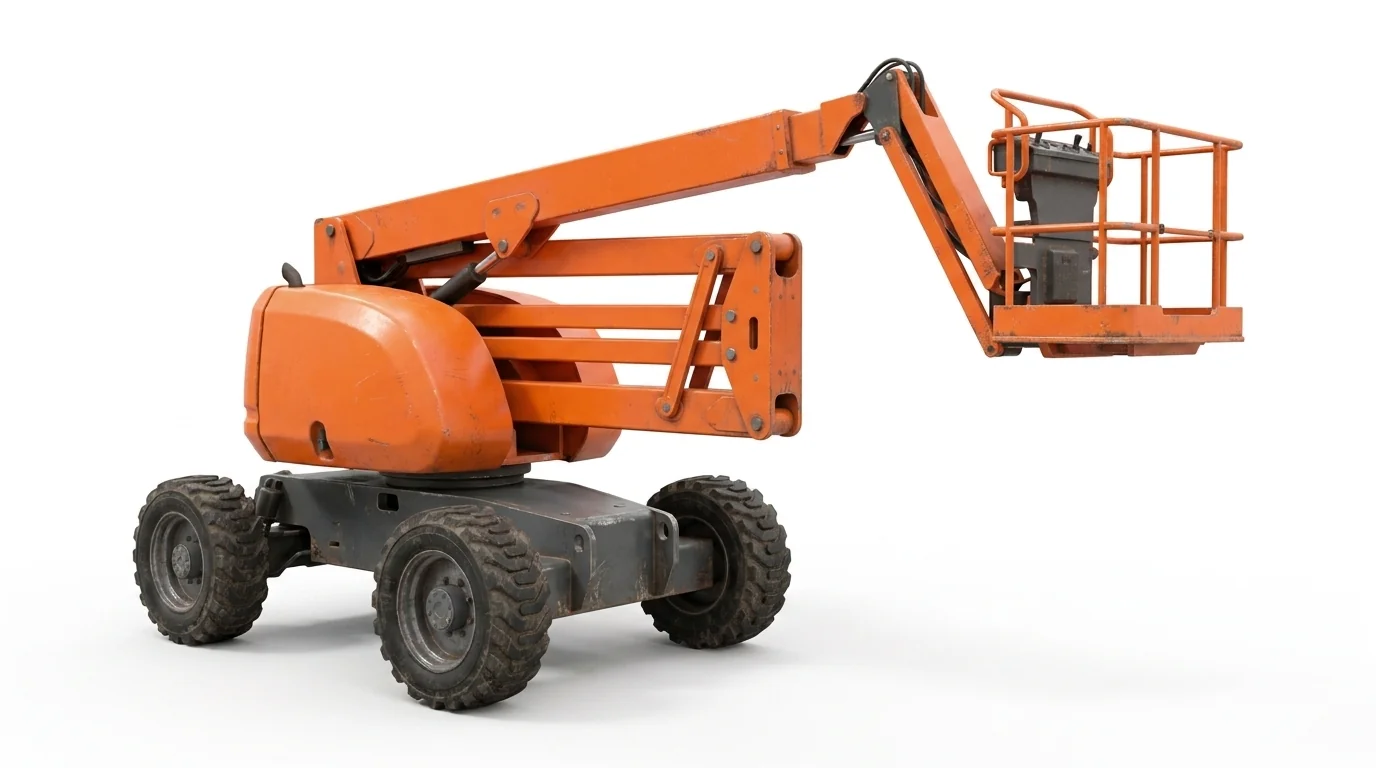
Articulating booms solve jobs where the vertical line to the work is obstructed. Jibs and multiple joints let you position the platform over conveyors, under canopies, or around racking. In local distribution buildings, that often means reaching above cross-aisles without pulling pallets. For exterior service on commercial shells, the arm can step out and around parapets.
Key geometry questions: - Is the obstacle taller than the base can clear, and how far back is the work from the machine’s centerline? - Can the machine sit on a stable spot while the platform reaches over the obstruction? - How much horizontal outreach is actually needed once the platform is above the obstacle?
Reno conditions that change the pick
The regional climate brings frequent afternoon gusts. Outdoor use demands attention to the selected unit’s wind rating and site procedures. On valley floors, fine clays can pump under tires after precipitation, while hillside lots mix gravel and granite edges. On slab in climate-controlled buildings, electric models reduce emissions and noise; outside on uneven grades, rough-terrain units with foam- or air-filled tires and oscillating axles are commonly specified. Winter cold also affects battery performance, which matters for prolonged indoor maintenance windows.
Power source and surface matchups
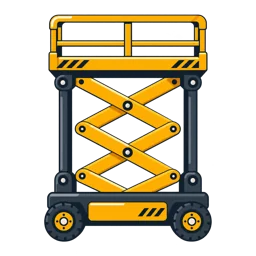
- Indoors on finished concrete: Electric articulating boom to limit fumes and meet tight aisle turns. Consider models with compact tailswing for racking work. See also /electric-scissor-lift-rental/ for purely vertical indoor tasks.
- Mixed-use sites: Bi-energy or hybrid units handle morning indoor punch lists, then move to exterior punch items without frequent charging.
- Exterior and unpaved industrial pads: Diesel rough-terrain articulating boom for clearance and grade tolerance; compare with /telescopic-boom-lift-rental/ when the path is clear and longer straight outreach is required.
Capacity, platform size, and access
Articulating platforms often trade a little capacity for maneuverability. Verify tool weight, materials, and whether two-person plus materials work is required. Platform size influences whether pipe, signage, or duct sections can ride with the crew. Measure access gates, slab thickness at approach paths, and turning room near dock doors typical of local logistics sites.
Related categories
- Need straight, long lateral reach to a clear target: /telescopic-boom-lift-rental/
- Purely vertical work on smooth slab: /electric-scissor-lift-rental/
- General overview: /boom-lift-rental/