Indoors: slab, aisles, and product mix
Measure the narrowest aisle, the highest rack beam, and the heaviest pallet. Three-wheel electrics navigate tight pick aisles; four-wheel electrics add stability for taller stacking. For cross-dock work, verify dock plate capacity and the slope and texture at the lip. If mezzanine feeds are common, confirm lift height with margin.
Outdoors: yards and mixed approaches
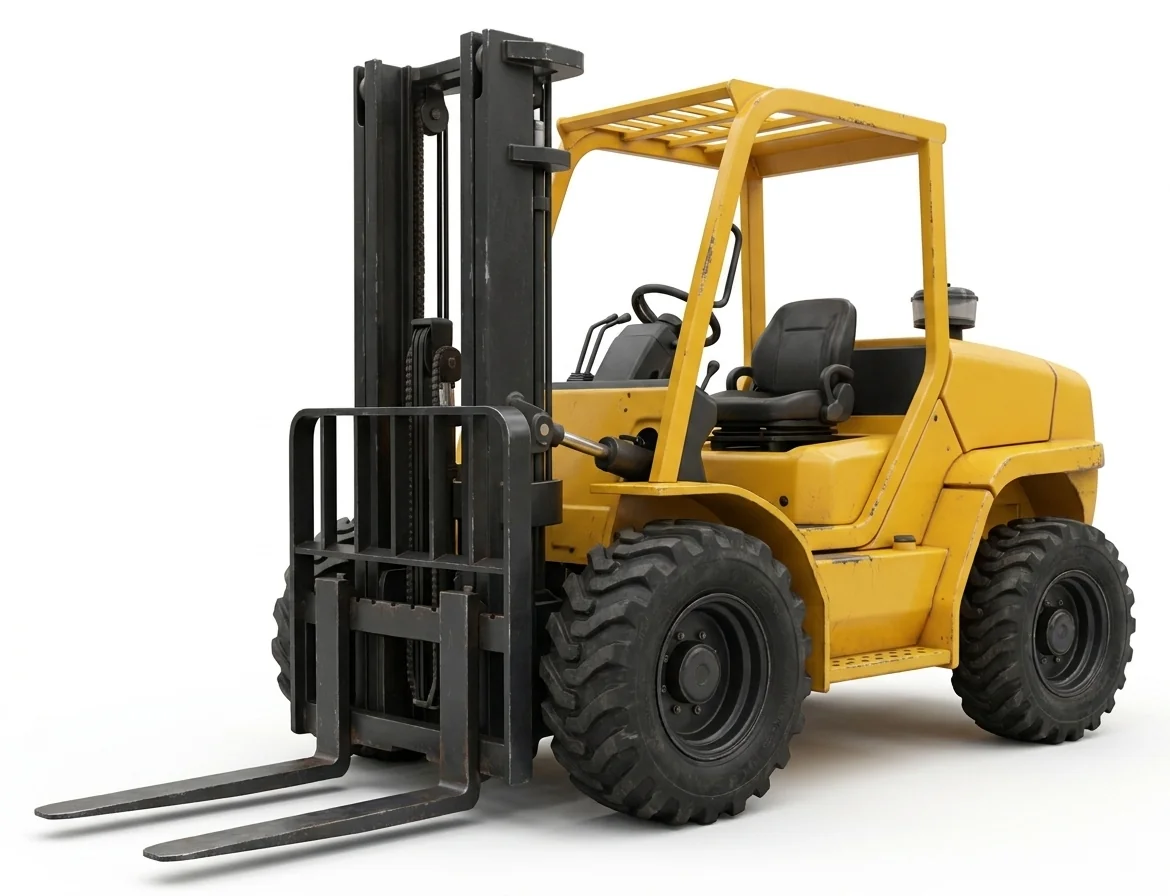
Paved yards with debris call for solid pneumatics; unpaved or seasonal pads may require rough-terrain forklifts with greater clearance. Afternoon winds can influence how and where loads are staged at height; site procedures and the machine’s instructions govern elevated handling in gusts. On clay-heavy surfaces, bearing pressure and tire footprint affect rutting near laydown.
Power source trade-offs in Reno
Electric units reduce emissions and noise indoors, but battery performance changes in colder months and during long shifts. LP or diesel models handle extended exterior duty cycles and fueling logistics better, with attention to ventilation if they must cross into enclosed spaces.
Access and transport constraints
Door heights, ramp slopes, and turn pockets at dock aprons shape size selection. Confirm the route from receiving to storage, including any pinch points like vending alcoves or security cages typical in local facilities.
Related categories
- For elevated personnel access: /vertical-mast-lift-rental/ and /electric-scissor-lift-rental/
- Material staging support: /storage-containers-rental/