Choose the size by what must pass through the doors
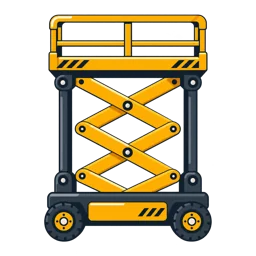
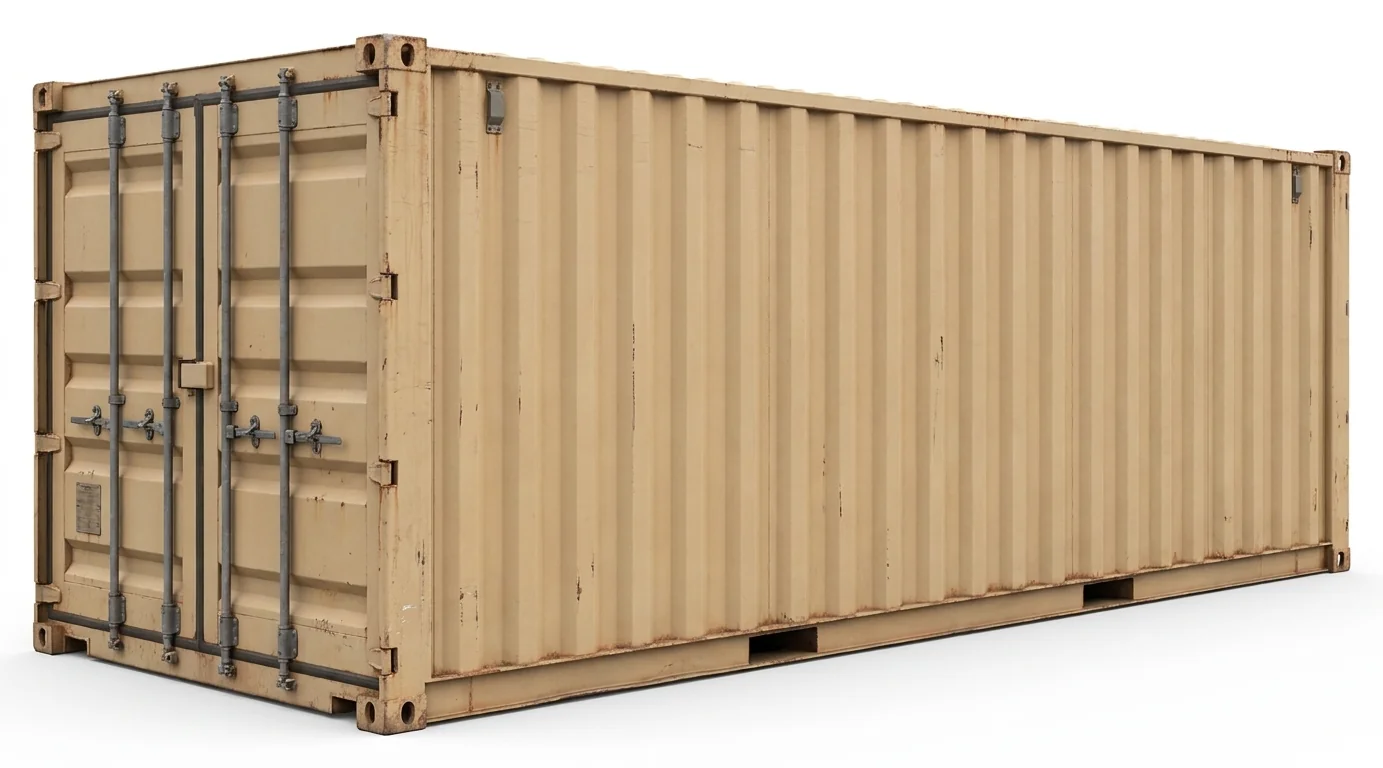
Start with the biggest item: palletized material, long conduit, or lift attachments. Measure widths, heights, and turning room just inside the doors. In busy yards, side-door configurations can reduce conflicts with forklifts and scissor lifts queued at the main doors.
Surface and drainage on high-desert soils
Clay bottoms can heave with moisture and settle unevenly after freeze-thaw cycles. On sloped foothill sites, runoff may undercut one corner while the opposite stays firm. Note: - Current grade and any planned regrading during the rental term - Bearing capacity of the surface where doors will swing and loads will land - Whether the container must sit below the task or align flush with a dock or slab Stable, level placement keeps doors tracking and reduces binding when temperatures swing.
Access route and placement within active sites
Large industrial yards often have tight turns between racking, fencing, and staging. Confirm the delivery truck’s approach, overhead clearance under utilities, and the set crew’s room to place the box square. If the container will live near windy edges of a site, plan for door orientation that reduces sail effect when opened.
Integration with lift equipment
If you’ll stage scissor lifts, boom lifts, or forklifts near the container, protect a clear apron for loading. Interior headroom affects whether items can be staged upright or must be angled. For machine comparisons, see /forklift-rental/ for pallet movement and /telehandler-rental/ for rougher approaches.
Security and visibility
Active project fronts near public edges may need more visible placement, while remote corners of large sites benefit from lighting coverage and clear sightlines. Pairing with /temporary-fencing-barricades-rental/ can control approach paths without blocking necessary equipment access.